
The latest news on the immigration policy, and the border.

Germany is aiming to naturalize 40,000 people in 2025, backed by a simplified citizenship law and faster processing. With easier rules and rising approvals, it’s a strong opportunity for skilled immigrants and professionals planning long-term settlement in Germany.

New Zealand extends partner visas from 2 to 3 years for those cohabiting 12+ months with citizens or residents, effective October 1, 2024.


New minimum wages (Oct 1, 2024): Ontario $17.20, Manitoba $15.80, Saskatchewan $15.00, PEI $16. Earlier 2024: BC $17.40, Quebec $15.75, Federal $17.30.
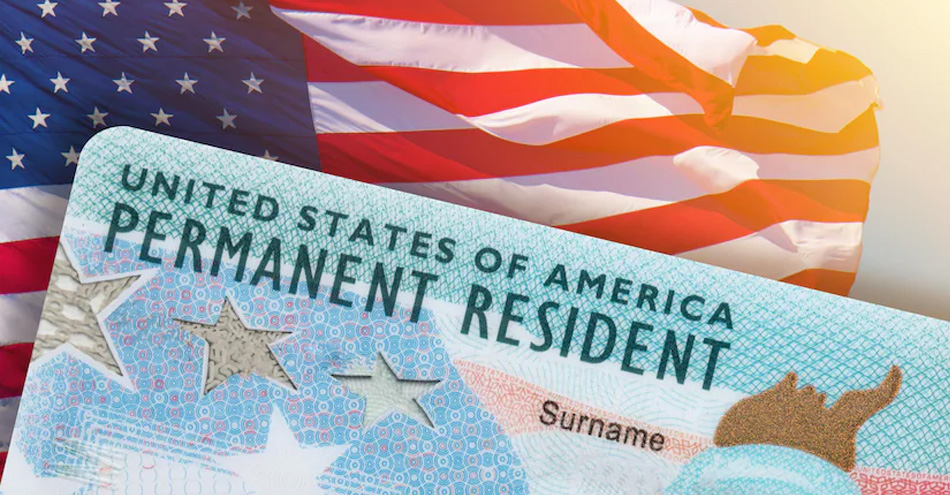
USCIS extends Green Card validity to 36 months for I-90 renewal applicants, effective September 10, 2024, up from 24 months.

New Brunswick’s 2024 International Recruitment Events run Sept 27–Oct 25, targeting skilled workers from Mexico, Santiago, Montevideo, and São Paulo.

IRCC invited 4,000 candidates to the Canadian Experience Class (CEC) draw, requiring a minimum CRS score of 509 for permanent residency ITAs.

South Africa will introduce a point-based work visa for remote international workers, letting them live in the country and use foreign income. The new system, simplifying applications and cutting processing times, will roll out within 30 days.

Starting in 2025, most non-European travelers to the UK will need a £10 Electronic Travel Authorization (ETA) for up to six months’ stay. British/Irish citizens and visa holders are exempt; ETAs cannot be used for work, study, or residency.

Canada’s IMP Innovation Stream now offers LMIA-exempt work permits for eight tech firms, letting qualified foreign employees work without an LMIA. Eligible companies include Ada Support, AlayaCare, CellCarta, Clarius, Clio, DPG, Lightspeed, and Vive.

Australia’s Work and Holiday (Subclass 462) visa now uses a AUD 25 ballot system for applicants from India, China, and Vietnam, randomly selecting candidates aged 18–30. Eligible workers can study up to 4 months and work while on holiday.