Eiffel Scholarship · Charpak Scholarship ·Erasmus+ · University Merit Grants
Frequently Asked Questions
Everything you need to know in one place
Can I stay back and work after completing my studies?
Most top destinations offer post-study work permits (PSW) that let you gain international work experience. Duration depends on the country and program level
How do I know if I am eligible for a study abroad program?
Eligibility depends on academic scores, language proficiency, financial capacity, and program prerequisites. Winny evaluates your profile and suggests the right options.
What is the timeline for the study abroad process?
The process generally takes 8–12 months, including university selection, application submission, offer letters, financial prep, and visa filing.
Can I work part-time while studying abroad?
Most countries allow international students to work 20 hours/week during classes and full-time during breaks. Part-time jobs help manage living expenses and gain experience.
Do universities offer scholarships to international students?
Yes, many universities offer merit-based, need-based, and country-specific scholarships. Winny helps identify scholarships you qualify for and guides you with applications.
What English tests are accepted by universities?
Most universities accept IELTS, TOEFL, PTE, Duolingo, or country-specific tests. Your required score depends on your program and university.
How do I choose the right country to study abroad?
Students usually decide based on career goals, budget, job opportunities, PR pathways, and university rankings. Winny helps you shortlist countries that match your long-term plan.
What documents are required to apply for study abroad?
You typically need academic transcripts, passport, English-language test scores, SOP/LORs, financial proof, and application forms. Requirements vary by country and university.
How much does it cost to study abroad?
Costs depend on the country, program, and living expenses. Students should plan for tuition, accommodation, travel, and daily expenses. Winny helps with accurate cost breakdowns for your target country.
What are the best intakes for studying abroad?
Major intakes include Fall/September and Spring/January, while some countries also offer Summer or rolling intakes. Applying early ensures better chances of admission and scholarships.
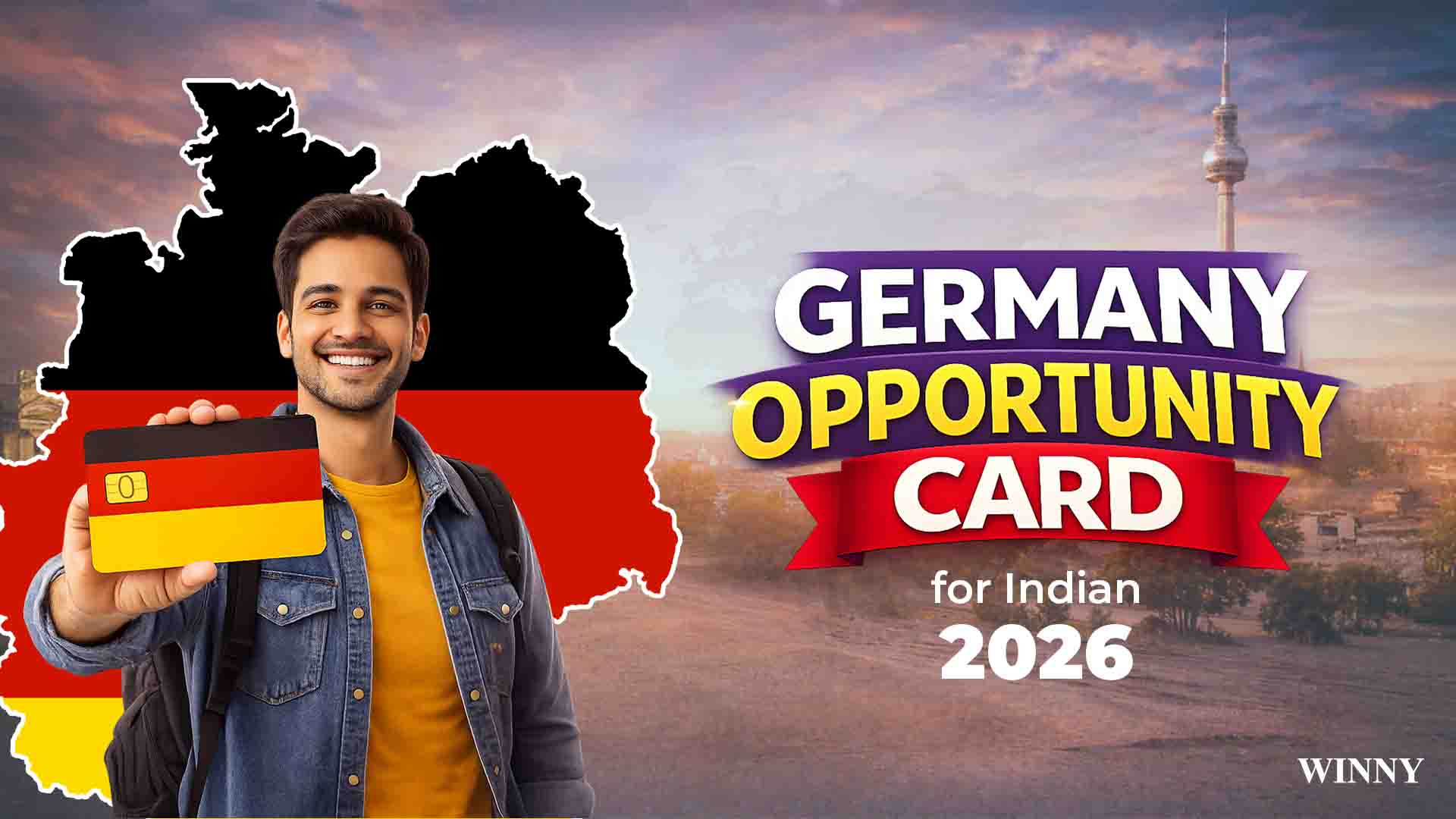
Germany’s Opportunity Card opens legal job-search access for non-IT professionals in healthcare, trades, logistics, construction, and manufacturing—not just tech roles.
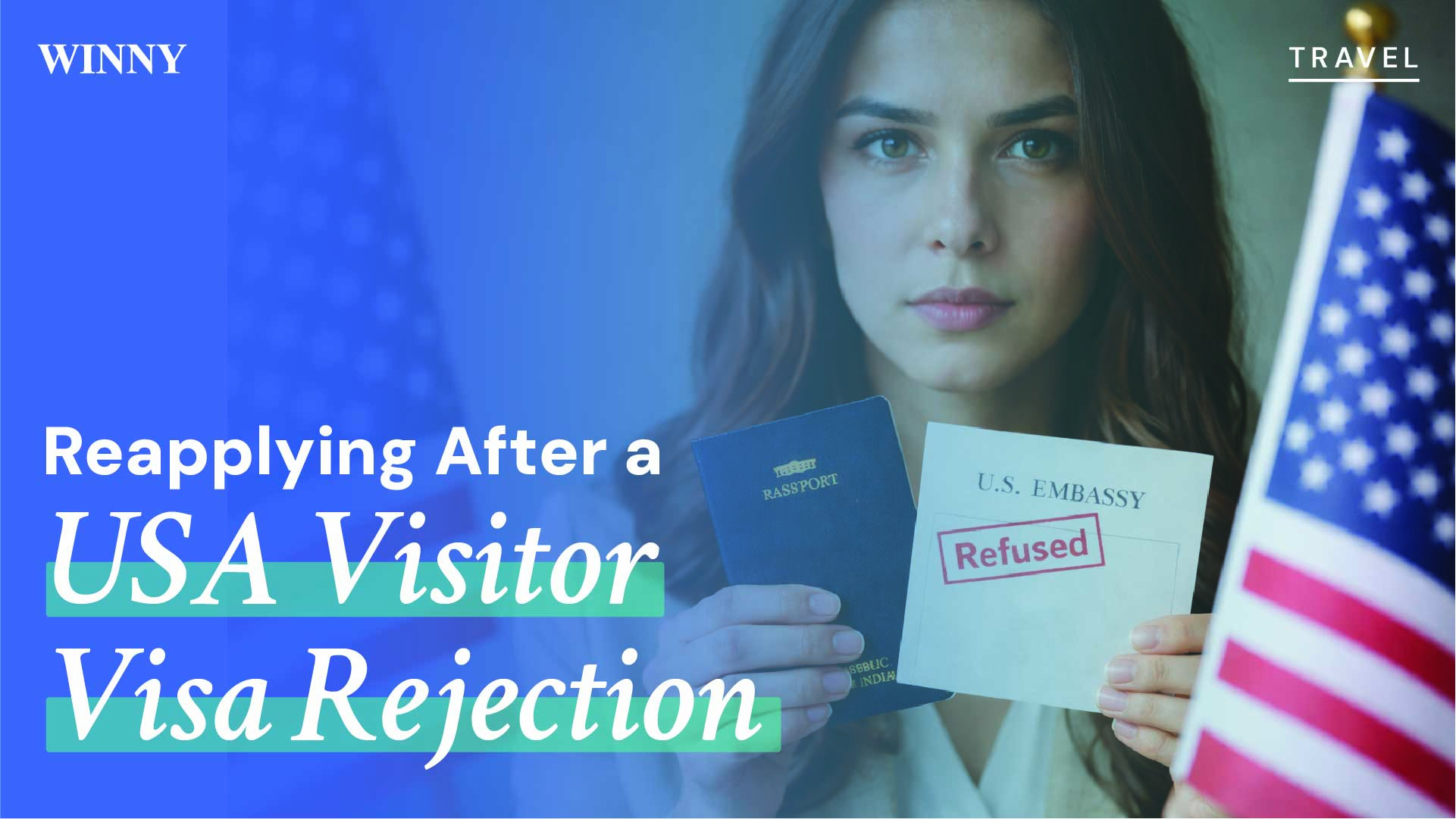
Prepare for your US B1/B2 visa interview with real questions, expert answer strategies, 214(b) refusal insights, and document guidance. A complete 2026 guide for Indian applicants.
Europe offers Indian students high-quality education, diverse country options, and strong career pathways—but choosing the right destination requires separating myths from reality.
Public universities in Germany provide affordable, high-quality education with competitive admissions, while private universities offer easier entry and faster pathways at higher costs.
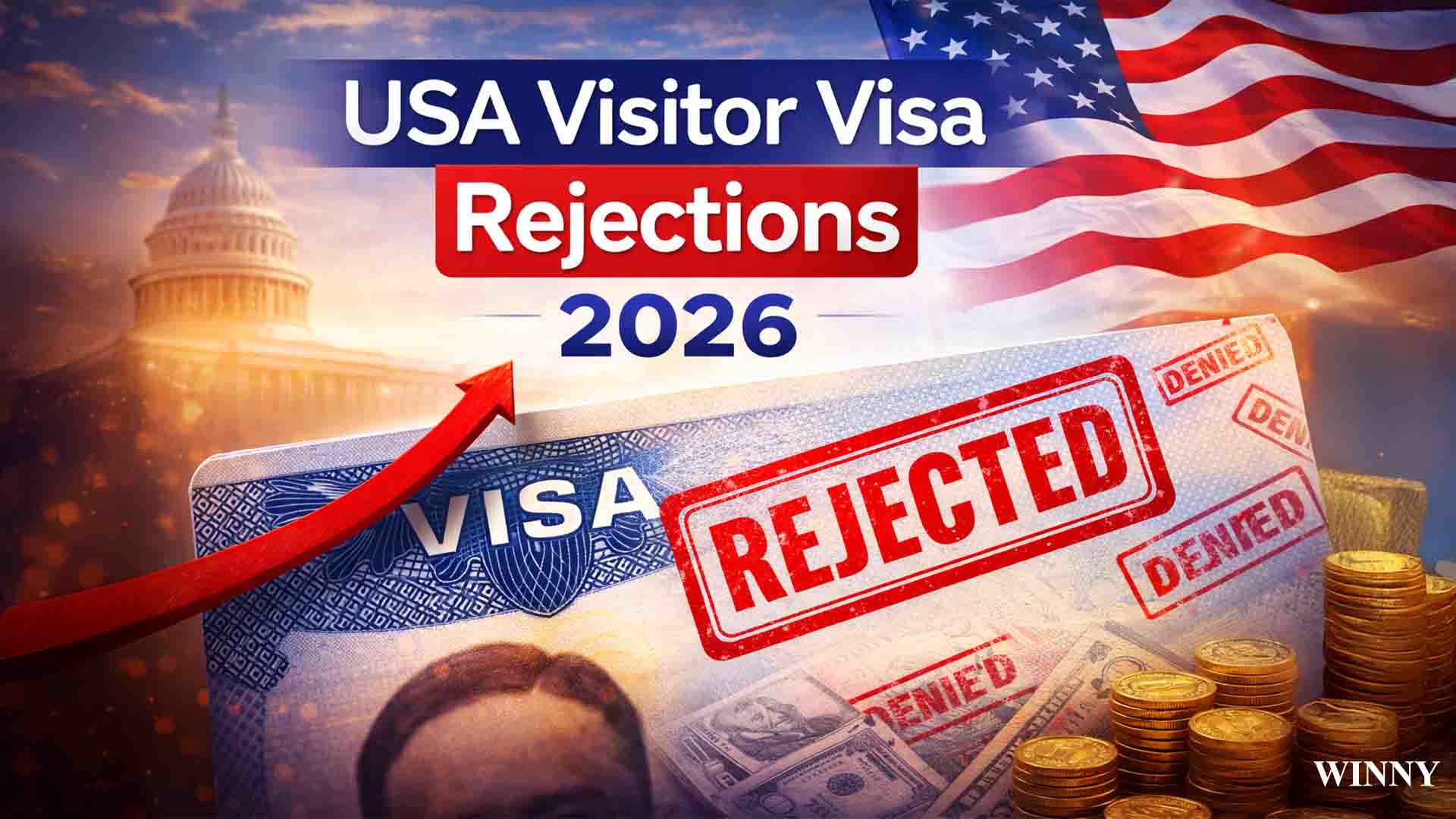
In 2026, U.S. visitor visas are decided mainly through the interview, with officers prioritising travel intent and strong ties to India over documents.
In 2026, Schengen visas are judged on overall credibility and risk, not just paperwork. Clear travel purpose, financial consistency, and strong return ties now decide approval.
Travel history can support USA and Schengen visa applications, but it does not guarantee approval. Strong ties to India and a clear travel purpose matter far more.
The U.S. B1/B2 Visitor Visa lets Indians travel to the USA for tourism or business, offering up to 10 years validity with short-term stays. In 2026, higher fees, long wait times, and stricter checks make early application and strong documentation essential.